Royal Collection Jewellery Trends: What's Hot and What's Not
The world of fine royal jewelry is undergoing a notable transformation. Striking statement jewelry adorned with oversized gemstones are rising to prominence. By comparison, classic styles are being replaced by understated designs that highlight refinement. This change mirrors an increasing demand for personal expression in jewelry. As styles progress, identifying what stands the test of time and what loses relevance becomes critical. The next section will explore these intricate dynamics further.
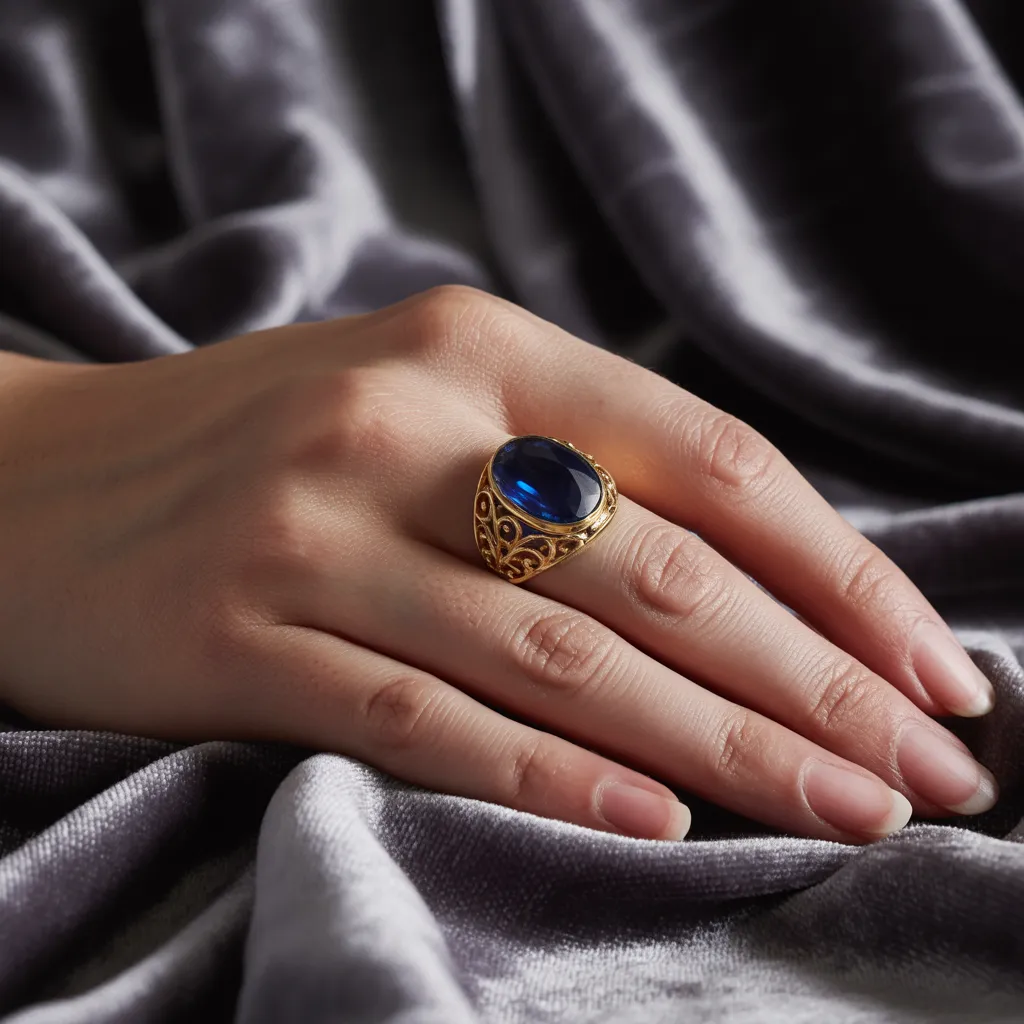
The Charm of Royal Jewelry
The artistry demonstrated in creating such jewelry is extraordinary, highlighting remarkable skill that has progressed over centuries. Time-honored methods, paired with contemporary advancements, confirm these creations stay significant in contemporary fashion.
Royal jewelry often features iconic designs, including tiaras and brooches, which function as markers of rank and distinction. As interest in the monarchy continues to grow, the appeal of such extraordinary pieces continues to inspire collectors and jewelry enthusiasts alike, strengthening the timeless charm of regal tradition in the realm of fine jewelry.
Striking Statement Pieces in Royal Jewelry: The Latest Trends
Striking statement jewelry continue to dominate the domain of royal jewelry, attracting the eye of style connoisseurs and collectors alike. Such striking pieces often feature intricate designs, oversized gemstones, and vivid colors, setting them apart from classic, subtle designs. Royals are embracing this trend, displaying dramatic earrings, unique necklaces, and oversized brooches at public engagements and occasions.
Elements including vivid gemstones, golden accents, and additionally unique elements like fabric and feathers are being used to create remarkable visual impressions. This transition to bolder choices showcases a more expansive cultural movement that celebrates personal identity and creative freedom. Furthermore, digital media channels amplify such trends, allowing royals to engage with a younger audience eager to adopt the glamour of royal fashion.
As these statement pieces gain traction, they transform the expectations of royal adornment, symbolizing a fresh perspective of regal sophistication that is both bold and attainable.
Understated Elegance: Distinguished Examples of Monarchical Adornments
Subtle sophistication commonly shapes the jewelry choices of royalty, highlighting a sophisticated sensibility that transcends trends. Classic pearl strands, enduring diamond accents, and simple gold cuffs capture this distinguished look, offering a understated refinement. These timeless selections do more than complement royal attire but also highlight the enduring appeal of understated beauty in precious adornments.
Classic Pearl Necklaces
Although trends in jewelry come and go, pearl necklaces remain a symbol of timeless elegance, particularly within royal households. Their timeless charm spans generations, making them a cornerstone of royal jewelry collections. Prime examples include Queen Elizabeth II's iconic three-strand pearl necklace, often worn during state occasions, showcasing the versatility of pearls in both formal and casual settings. In the same vein, the late Princess Diana often wore elegant pearl accessories, accentuating her distinguished style. The subtle elegance of these necklaces pairs well with a wide range of outfits, emphasizing grace without overwhelming the wearer. As trends shift, the lasting appeal of pearl necklaces remains compelling, solidifying their place in the jewelry regalia of royalty and beyond.
Timeless Diamond Studs
Classic diamond studs are a timeless accessory, reflecting a understated simplicity that attracts both casual wearers and royalty alike. These timeless pieces have graced the ears of many royal figures, representing timeless sophistication. Interestingly, British royal family members have regularly been observed wearing their own interpretations, view now demonstrating the flexibility of this enduring design. The lasting appeal of diamond studs stems from their capacity to enhance a broad variety of outfits, spanning casual to formal occasions. Their sparkle and fine craftsmanship accentuate the wearer's refinement without dominating the look. As the world of fashion progresses, diamond studs persist as a dependable option, reminding us that some styles are truly eternal, crossing generational boundaries and defining a standard for sophisticated adornment.
Classic Gold Bangles
Minimalist gold bangles represent the beauty of understated design, drawing admiration through their clean lines and gentle luster. In royal collections, these pieces often serve as a demonstration of understated luxury. Distinguished royals including Queen Letizia of Spain have been seen donning elegant, fine bangles that enhance without dominating their ensembles. Such pieces prove remarkably adaptable, transitioning seamlessly between relaxed daily looks and sophisticated evening wear. The minimalist aesthetic resonates with contemporary trends, drawing in those who prefer a sophisticated yet current aesthetic. As trends shift and change, these bangles persist as a cornerstone piece, representing an enduring charm that spans across eras. Their lasting prominence underscores a transition to more intimate style expressions within royal adornment choices.
Timeless Jewelry Pieces That Are Still Popular Today
When examining the enduring appeal of jewelry, particular styles regularly distinguish themselves for their enduring grace and adaptability. Timeless pearl necklaces, as a prime example, have stayed a cornerstone in both everyday and formal environments, representing elegance and refinement. In the same way, diamond stud accessories provide a subtle yet impactful way to complement any look, demonstrating their value as an indispensable accessory.
Additionally, the charm of gold chains persists, whether worn solo or combined for a stylish twist. These accessories not only enhance various aesthetics but also transcend trends, making them a wise investment. Vintage-inspired designs, such as Art Deco rings, keep enchanting those looking for one-of-a-kind statements while celebrating the past.
Essentially, these iconic jewelry styles reflect a perfect blend of timeless elegance and modern sensibility, ensuring their place in the repertoires of jewelry lovers for years to come.
Heritage-Inspired Jewelry Styles
How do heritage-inspired jewelry styles capture the essence of cultural narratives while appealing to modern sensibilities? Such creations frequently borrow from historical motifs, producing pieces that narrate their cultural origins while appealing to modern preferences. Utilizing traditional techniques and materials, they blend craftsmanship with innovation, showcasing intricate patterns and symbolic elements that reflect diverse cultural heritages.
These designs frequently feature classic gems or traditional craftsmanship, amplifying their originality and charm. The resurgence of interest in these pieces stems from a desire for connection to the past, allowing wearers to celebrate their ancestry or personal history. Furthermore, legacy-inspired pieces nurture a spirit of kinship and personal significance, rendering it especially attractive in our modern interconnected society. As fashion increasingly embraces sustainability, these classic creations appeal to buyers looking for significant embellishments that surpass short-lived fashions, embodying both nostalgia and modern elegance.
Upcoming Trends in Royal Jewelry for the Next Season
As the world of royal jewelry keeps advancing, next season promises an exciting blend of luxury and contemporary style. Emerging trends suggest a movement toward bold, statement pieces that showcase personal expression while maintaining traditional elegance. Expect to see an abundance of large-scale precious stones, especially richly hued stones like emeralds and sapphires, beautifully crafted within detailed, cutting-edge arrangements.
Layering will also take center stage, with royals championing the art of mixing and matching rings, necklaces, and bracelets for a distinctive touch. Sustainability is becoming a focal point as well, with an expanding range of pieces highlighting ethically sourced materials and classic designs reinvented for contemporary tastes.
Furthermore, asymmetric patterns are becoming increasingly popular, providing a modern perspective on timeless styles. In this current season, royal jewelry is set to not only celebrate heritage but also redefine luxury with innovative craftsmanship, creating a captivating experience for enthusiasts and collectors alike.
Declining Trends in Royal Jewelry?
As trends in the jewelry world shift, some royal designs are losing their appeal. The once-celebrated vintage revival is waning, while excessively elaborate designs are growing less fashionable. This transition points to a growing preference for minimalist and modern styles in royal jewelry.
Classic Revival Regression
While vintage jewelry has long captivated enthusiasts and collectors alike, recent observations suggest a decline in its popularity, especially among royal communities. Once a staple in royal collections, items influenced by past eras are increasingly eclipsed by modern designs. The alteration reflects a broader trend towards modern aesthetics that emphasize clean lines and understated elegance, appealing to younger generations.
As members of the royal family shape their public images, they are increasingly drawn to items that resonate with current fashion sensibilities over nostalgic designs. This shift reflects a desire for evolution in royal jewelry, departing from the ornate characteristics of antique jewelry. Consequently, the allure of vintage revival may be waning, signaling a meaningful transformation in the adornment choices of modern royals.
Excessively Elaborate Styles Gone
The shift away from vintage jewelry has aligned with a wider rejection of excessively elaborate designs within royal circles. In the past few years, members of royal families have gravitated towards more understated and minimalist designs, reflecting a desire for elegance without excess. This shift represents a clear distinction from the lavish, intricate pieces that formerly characterized royal collections. Simple lines, subtle gemstones, and clean silhouettes are increasingly sought after, highlighting quality over showiness. This progression reflects a broader movement towards modernity and practicality, as royals seek to connect with current artistic trends. The preference for refined elegance over elaborate ornamentation indicates an evolving relationship with tradition, bringing royal jewelry in line with modern societal norms while still honoring heritage.
Common Questions and Answers
What Methods Are Typically Used to Appraise Royal Jewelry for Value?
Precious royal jewelry is commonly evaluated for its worth via professional assessments considering factors such as historical significance, craftsmanship, gemstone quality, and market demand. Professional appraisers frequently utilize comprehensive evaluation methods and analytical techniques to determine worth accurately.
What Materials Are Commonly Used in Royal Jewelry Designs?
Royal jewelry styles traditionally include fine metals like platinum and gold, along with gemstones such as sapphires, emeralds, rubies, and diamonds. These elements are preferred for their rarity, beauty, and historical significance in regal heritage.
How Do Royals Choose Jewelry for Public Appearances?
Royal figures select accessories for public appearances based on the event, personal taste, and historical importance. These distinguished individuals typically favor pieces representing tradition or heritage, guaranteeing that their chosen pieces communicate refinement while embodying their royal stature and distinctive taste.
Are There Any Famous Royal Jewelry Heists in History?
Throughout history, numerous famous royal jewel thefts have taken place, such as the early twentieth century theft of the Crown Jewels from the Tower of London and the 2003 theft of the prized royal gems in the German state, demonstrating how vulnerable even the most guarded collections can be.
In What Ways Does Cultural Heritage Shape Royal Jewelry?
Cultural heritage deeply shapes royal jewelry, embodying history, culture, and tradition. Each item commonly demonstrates the craftsmanship and creativity of its time, functioning as a meaningful bond with the past and a celebration of cultural importance.
Final Thoughts
In conclusion, the evolution of royal jewelry styles showcases a fascinating blend of daring statement jewels and subtle sophistication. As personal expression and minimalist sensibilities rise in importance, the departure from classic designs echoes broader societal preferences for practicality and craftsmanship. The future holds exciting developments, as traditional designs and modern innovations continue to shape the royal jewelry scene, guaranteeing its continued relevance in modern style. The magnetism of royal ornaments continues, embracing the sensibilities of the next generation.