Discovering the Mysteries of Royal Diamonds: Excellence, Worth, and Elegance
Royal diamonds have long captivated the imagination with their stunning beauty and rich histories. These magnificent stones represent far more than wealth; they showcase exceptional artistry and distinctive qualities that make them extraordinary. Understanding their quality, value, and allure reveals deeper insights into their significance. As details emerge, the elaborate nature of royal diamonds prompts additional study of their captivating domain. What makes these jewels truly extraordinary?
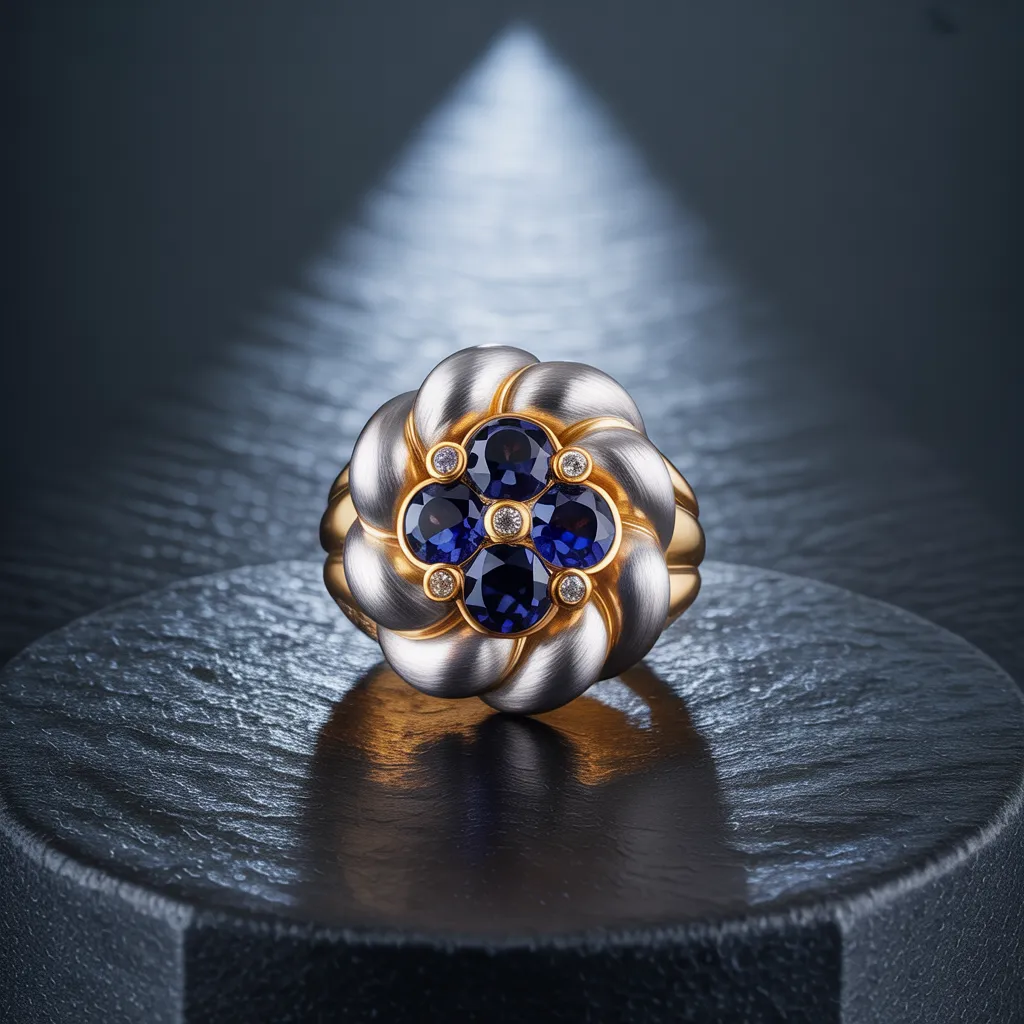
The Historical Journey of Royal Diamonds
The allure of royal diamonds has captivated humanity for centuries, weaving together stories of authority, prosperity, and artistic excellence. These valuable stones have decorated the regalia and ornaments of rulers throughout diverse civilizations, embodying celestial privilege and dominion. From the renowned Koh-i-Noor, traditionally linked to Indian monarchs, to the Cullinan Diamond, which became integrated into the British Crown Jewels, each stone carries a unique legacy.
Royal diamonds often emerged from tumultuous histories, reflecting conquests, trades, and sometimes, tragic fates of their owners. They were not merely decorative but served as instruments of diplomacy and status. Additionally, these gems inspired artists, fueling craftsmanship that transformed raw stones into breathtaking works of art. Functioning as markers of wealth, royal diamonds consistently fascinate acquisitors and researchers, embodying a timeless obsession with the convergence of elegance and influence through history.
Learning About Diamond Quality: The Four Cs
Diamond quality is primarily evaluated through the Four Cs: cut, color, clarity, and carat weight. Each aspect plays an essential role in defining a diamond's complete value and beauty, affecting how light plays with the stone. Understanding these elements allows consumers to make knowledgeable determinations when acquiring royal diamonds.
Cut: Precision and Radiance
The cut determines a diamond's personality, influencing its radiance and general appeal. The workmanship used in shaping a diamond substantially impacts how light interacts with it, establishing the shimmer and fire that captivate the eye. A skillfully-performed cut enhances a diamond's capacity, elevating its visual allure. Aspects such as symmetry, proportions, and polish contribute to the total quality of the cut. Gemologists often examine these components to assign a grade, which reflects how efficiently the diamond returns and refracts light. The ideal cut not only increases the stone's beauty but also boosts its worth in the market. Thus, comprehending the art of cutting is vital for appreciating the true essence of royal diamonds.
Coloration: Grade and Hue Level
Color has a significant impact in establishing a diamond's quality and overall appeal, augmenting the impact of cut. The hue of a diamond is assessed on a scale from D (colorless) to Z (light yellow or brown), with colorless diamonds being the most prized. This grading system indicates the diamond's ability to refract light, enhancing its brilliance and fire. A diamond's value declines as it approaches the Z grade, as the presence of color can detract from its allure. In addition, rare fancy color diamonds, which showcase distinct hues such as blue, pink, or yellow, can command remarkable prices. Ultimately, the color grading greatly influences a diamond's desirability and market value, making it a essential factor for buyers.
Clearness: Purity and Internal Features
Clarity in diamonds is a crucial factor that greatly influences their general quality and market value. This element concerns the occurrence of inclusions and the general purity of the stone. Inclusions, which can be minute crystals, feathers, or other blemishes, influence a diamond's radiance and visual attractiveness. The Gemological Institute of America (GIA) evaluates clarity on a scale from Flawless to Included, with higher grades indicating fewer or less visible inclusions. A diamond's clarity significantly influences its price point; those with fewer inclusions are typically more sought after. While some inclusions are tiny and don't impact beauty, more prominent or visible blemishes can detract from a diamond's allure, making clarity a critical consideration for interested buyers.
What Makes Royal Diamonds Unique
Royal diamonds distinguish themselves through their remarkable clarity standards, setting them apart from conventional stones. Moreover, they showcase rare color variations that amplify their allure and value. Specialized cut techniques further elevate their exceptional beauty, making each royal diamond a one-of-a-kind masterpiece.
Exceptional Clearness Standards
The assessment of diamonds frequently focuses on clarity, a critical aspect that defines their overall quality and appeal. Royal diamonds are characterized by their exceptional clarity standards, displaying minimal inclusions and blemishes that are virtually imperceptible to the naked eye. These diamonds typically reach grades of VS1 (Very Slightly Included) or higher, guaranteeing that their beauty is uncompromised. The clarity of these gems is not merely a technical measure but also contributes significantly to their brilliance and fire, enabling light to pass through with minimal obstruction. Consequently, royal diamonds are highly sought after, as their clarity enhances their overall desirability and value. Collectors and connoisseurs alike recognize the rarity of such flawless specimens, further solidifying their status in the luxury market.
Uncommon Shade Forms
Variations in color in diamonds contribute a unique dimension to their appeal, enchanting aficionados and devotees alike. Among royal diamonds, exceptional hues such as blue, pink, green, and yellow shine, each having unique characteristics that elevate their desirability. The depth of color assumes an crucial role in establishing value; more intense shades frequently attract premium prices. For instance, intense pink diamonds are exceptionally sought after, with their limited availability amplifying their appeal. Moreover, the source of the color can influence perceptions; diamonds from specific regions may be favored for their unique tones. This fascinating spectrum of colors not only enriches the visual beauty of regal diamonds while also demonstrates their uniqueness, making them cherished treasures in the world of gemstones.
Distinctive Cut Styles
Crafting a royal diamond necessitates an expert understanding of unique cut techniques that amplify its natural beauty and brilliance. These techniques often incorporate innovative shapes and proportions that maximize light performance, producing enchanting sparkle. For instance, the use of the "Royal Cut" emphasizes symmetry and precision, allowing each facet to interact harmoniously with light. Additionally, advanced faceting styles, such as the modified brilliant cut, can accentuate the diamond's inherent color and clarity, making it truly exceptional. Each cut is carefully designed, taking into account the diamond's unique characteristics and the desired visual impact. This careful artistry not only enhances the diamond's aesthetic appeal but also significantly contributes to its overall value, distinguishing royal diamonds apart in a crowded luxury market.
Legendary Royal Diamonds Spanning History
Historically, royal diamonds have embodied power, wealth, and prestige. The Koh-i-Noor, formerly the largest diamond in the world, has a fascinating legacy, passing through various monarchies before joining part of the British Crown Jewels. Another exceptional gem, the Hope Diamond, with its intense blue hue, is shrouded in legends of misfortune and has been linked to several royal owners. The Cullinan Diamond, the largest gem-quality diamond ever unearthed, was gifted to King Edward VII and later transformed into several stunning pieces in the British Crown Jewels. The Imperial State Crown showcases the Black Prince's Ruby, a spinel that has graced crowns for centuries, highlighting the blend of myth and history encompassing these jewels. Each of these diamonds possesses a narrative of ambition, conquest, and the lasting allure of royalty, making them priceless artifacts in the realm of gemstones.
The Craftsmanship Behind Royal Diamond Jewelry
Because creating royal diamond jewelry demands meticulous attention to detail, master artisans use a combination of conventional practices and modern breakthroughs to craft raw gems into spectacular artistic pieces. Each piece begins with the selection of the premium quality diamonds, usually procured from trusted mining sources. These diamonds undergo careful cutting, where master gem cutters use advanced technology to achieve optimal sparkle and fire.
The diamond setting holds equal importance; master craftspeople commonly handcraft detailed patterns that enhance the stones' natural beauty. Approaches including filigree and engraved details introduce complexity and distinction, highlighting the skilled workmanship.
Furthermore, the use of high-quality metals, including platinum and gold, complements the diamonds while providing durability. The final pieces are refined to perfection, capturing light and catching the eye. This blend of artistry and technique produces royal diamond jewelry that embodies elegance, sophistication, and timeless beauty.
The Significance of Royal Diamonds in Today's Market
The artistry and craftsmanship that define royal diamond jewelry not only contribute to its aesthetic appeal but also substantially affect its market value. In today's market, royal diamonds are highly sought after for their rarity and exquisite quality. Elements such as cut, clarity, color, and carat weight play essential roles in determining their worth. Additionally, the provenance of these diamonds significantly impacts their valuation; stones with a notable heritage or connection to prominent figures often command premium valuations.
Given the rising demand for ethically sourced and sustainably mined gemstones, royal diamonds that meet these criteria are increasingly valued. The luxury market is continuously growing, with consumers eager to acquire pieces that symbolize status and refinement. Therefore, royal diamonds not only hold their value but typically appreciate with time, making them a prudent investment for collectors as well as enthusiasts. This dynamic landscape emphasizes the timeless attraction of royal diamonds in the today's market.
Taking Care of Your Royal Diamonds: Care and Protection
Appropriate maintenance is crucial for upholding the elegance and value of royal diamonds. Routine cleaning is essential, as grime and oils can diminish their shine. A mild solution of warm water and mild soap, applied with a soft brush, successfully clears residue without causing damage. It is suggested to steer clear of harsh chemicals or abrasive materials that can harm the surface.
Storage holds equal importance; royal diamonds need to be maintained apart in cushioned pouches or lined storage boxes to avoid damage from other pieces. Periodic checks by a skilled jewelry professional can help discover loose prongs or potential complications, ensuring longevity.
Furthermore, handling royal diamonds with care can minimize exposure to materials such as chlorine or saltwater, which may harm both the gemstone and its setting. By adhering to these care practices, owners can sustain the exquisite beauty and natural value of their royal diamonds for years to come.
Your Questions Answered
What's the Process for Authenticating a Royal Diamond?
To authenticate a royal diamond, one should engage a certified gemologist for appraisal. The expert will examine the diamond's features, including cut, clarity, color, and carat weight, verifying it meets standard authenticity criteria.
Is Royal Diamonds Ethically Sourced?
While royal diamonds may be ethically sourced, proper verification is necessary. Buyers must obtain certifications from established organizations confirming responsible extraction practices, thereby encouraging sustainable environmental practices and equitable working conditions within the diamond industry supply chain.
What Is the Resale Value of Royal Diamonds?
The resale value of royal diamonds typically varies based on criteria such as quality, rarity, and market demand. Usually, they preserve significant value, often going beyond initial purchase prices, especially when obtained through ethical means and accompanied by authentic certificates.
Are Royal Diamonds Certified?
Royal diamonds normally feature certification from respected gemological institutes, ensuring their quality and authenticity. These certificates offer essential information about the diamond's cut, clarity, color, and carat weight, enhancing buyer confidence and value assessment.
What Trends Influence Royal Diamond Prices?
Market demand, rarity, historical significance, and celebrity endorsements significantly impact royal diamond prices. Market conditions and international trends in premium goods also serve essential roles discover now in defining their overall value and desirability among collectors and investors.